
Pain management is a critical healthcare challenge, demanding updated policies and protocols as evidenced by the 2020 guidelines.
A multidisciplinary approach, addressing physical and behavioral health, is essential for effective relief and improved patient well-being.
These guidelines focus on assessment strategies and treatment options for common conditions, urging doctors to avoid underestimating patient experiences.
Understanding the Scope of Pain Management
Effective pain management extends far beyond simply alleviating symptoms; it encompasses a holistic understanding of the patient’s physical, behavioral, and emotional well-being. The 2020 guidelines, stemming from organizations like AAPM and the European Society of Regional Anaesthesia, emphasize the need for comprehensive national and local policies.
This involves developing robust pain management protocols and implementing best practices for pain relief across healthcare settings. A truly effective approach necessitates a multimodal and multidisciplinary strategy, integrating various therapeutic modalities and healthcare professionals.
Furthermore, recognizing the diverse nature of pain – from acute to chronic, neuropathic to nociceptive – is crucial for tailoring treatment plans. Addressing underestimation of patient pain, particularly in vulnerable populations like women during gynecological appointments, is paramount.
The 2020 Guidelines & Multidisciplinary Approach
The 2020 guidelines, a collaborative effort from leading pain management societies (AAPM, ESRA, INS, NAMS, WIP), advocate for a standardized, yet individualized, approach to pain care. These guidelines aim to support Member States in developing and implementing effective national and local policies, regulations, and best practices.
Central to these recommendations is a multidisciplinary approach, recognizing that pain impacts multiple facets of a person’s life. This necessitates collaboration between physicians, clinical pharmacists, behavioral health specialists, and long-term care providers.
The guidelines emphasize comprehensive pain assessment, alongside tailored treatment strategies for common medical conditions and procedures. Seeking expert advice from specialists and referencing resources like NICE guidelines is encouraged, particularly for complex cases like neuropathic pain in older patients.

Acute Pain Treatment: Core Principles
Effective acute pain management prioritizes treatment goals aligned with major societies, utilizing multimodal strategies for optimal relief and improved patient outcomes.
Treatment Goals According to AAPM & Related Societies
Guidelines from leading organizations – AAPM, American Society of Regional Anesthesia and Pain Medicine, European Society of Regional Anaesthesia and Pain Therapy, and others – emphasize a comprehensive approach to pain management.
These 2020 guidelines aim to support the development and implementation of national and local policies, regulations, and best practices for pain relief across healthcare systems.
A core goal is to ensure adequate pain assessment, focusing on individualized treatment strategies tailored to specific medical conditions and painful procedures.
The emphasis extends to promoting a multimodal and multidisciplinary approach, addressing not only the physical aspects of pain but also behavioral health, long-term support, and overall well-being.
Ultimately, these guidelines strive to improve patient outcomes and enhance the quality of life for individuals experiencing acute pain.
Multimodal Pain Management Strategies
Effective pain control necessitates a multimodal approach, integrating various therapeutic modalities to address the complex nature of pain experiences.
This strategy involves combining pharmacological interventions with non-pharmacological techniques, such as physical therapy, psychological support, and interventional procedures.
A multidisciplinary team – including physicians, nurses, pharmacists, and behavioral health specialists – collaborates to develop personalized treatment plans.
The goal is to target multiple pain pathways simultaneously, maximizing analgesic effects while minimizing potential side effects and opioid reliance.
Such strategies attend to each person’s physical health, behavioral health, long-term services, supports, expected health outcomes, and overall well-being.

Specific Pain Types & Management
Neuropathic pain in older patients requires specialist advice or NICE guideline referral, while acute pain benefits from EUSEM’s evidence-based approaches.
Neuropathic Pain in Older Patients: Referral & NICE Guidelines
Managing neuropathic pain in elderly individuals presents unique challenges, necessitating a careful and considered approach to treatment. The 2020 guidelines strongly advocate seeking expert consultation – either from a clinical pharmacist specializing in pain, or direct referral to a dedicated specialist pain clinic.
Furthermore, adherence to the National Institute for Health and Care Excellence (NICE) guidelines is crucial for optimal patient care. These guidelines provide evidence-based recommendations for assessing and managing neuropathic pain, ensuring a standardized and effective treatment pathway.
This proactive referral and guideline-driven approach aims to improve outcomes and enhance the quality of life for older adults experiencing this often debilitating condition, acknowledging the complexities of pain management in this population.
Acute Pain Management in Emergency Settings (EUSEM & European Pain Initiative)
Effective acute pain control within emergency departments is paramount, and recent initiatives, spearheaded by the European Society for Emergency Medicine (EUSEM) and the European Pain Initiative, offer crucial guidance. These collaborative efforts have resulted in practical, evidence-based recommendations specifically tailored for managing acute pain in both emergency and pre-hospital settings across Europe.
The focus is on implementing standardized protocols and ensuring healthcare professionals have access to the latest knowledge in pain assessment and treatment. This initiative aims to bridge the gap between evidence and practice, ultimately improving patient outcomes and reducing unnecessary suffering during critical moments of care.
Adopting these guidelines is vital for consistent, high-quality pain management.
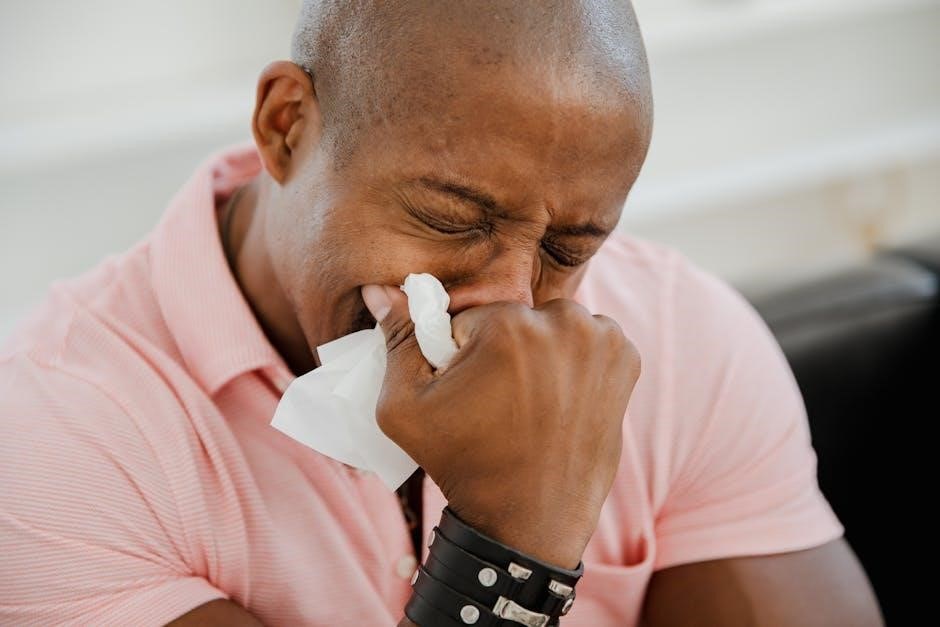
Addressing Underestimation of Patient Pain
New guidelines strongly emphasize the critical need for doctors to avoid underestimating patients’ pain levels, ensuring appropriate and timely interventions are provided.
The Importance of Patient Reported Outcomes
Patient Reported Outcomes (PROs) are increasingly recognized as vital components of comprehensive pain management, shifting the focus towards individual experiences. These subjective assessments, detailing the intensity, quality, and impact of pain on daily life, offer invaluable insights beyond traditional clinical evaluations.
Effective pain relief necessitates understanding how patients feel, not just identifying physiological signs. PROs empower patients to actively participate in their care, fostering a collaborative relationship with healthcare providers. Utilizing validated questionnaires and scales allows for objective tracking of treatment effectiveness and personalized adjustments to care plans.
Ignoring PROs risks undertreatment and diminished quality of life. The 2020 guidelines highlight this importance, advocating for their consistent integration into pain assessment and management strategies across all healthcare settings.
Specific Considerations for Women’s Pain Management (Gynecological Appointments)
Women’s pain experiences are often underestimated or dismissed, particularly within gynecological care, necessitating focused attention and improved practices. First-of-its-kind guidance emphasizes the need for expanded pain management options during gynecological appointments, acknowledging the unique challenges women face.
Historically, societal biases and gender stereotypes have contributed to disparities in pain perception and treatment. Healthcare providers must actively challenge these biases and prioritize empathetic, patient-centered care. This includes thorough pain assessments, open communication, and a willingness to explore diverse treatment modalities.
Offering a range of options—pharmacological, non-pharmacological, and interventional—empowers women to make informed decisions about their care and achieve optimal pain relief.

Chronic Pain: A Deeper Dive
Chronic pain is often described as agonizing, sharp, or shooting, presenting significant challenges for sufferers and demanding comprehensive, multidisciplinary support systems.
Characteristics of Chronic Pain (Agonizing, Sharp, Shooting)
Chronic pain extends far beyond a simple physical sensation; it’s a complex experience profoundly impacting a person’s life. Reports frequently describe it as agonizing, a relentless and overwhelming discomfort that dominates daily existence. Others characterize it as sharp, like a piercing or stabbing sensation, while still others experience shooting pains that radiate outwards.
These descriptions, shared by patients bravely speaking out, highlight the varied nature of chronic pain. It’s not a consistent experience; the quality and intensity can fluctuate, making it difficult to predict and manage. This unpredictability contributes to feelings of helplessness and frustration. The pain isn’t merely a symptom; it often becomes a condition in itself, requiring specialized care and understanding.
The Challenges of Chronic Pain Sufferers
Chronic pain sufferers face immense hurdles extending beyond the physical discomfort. Many struggle with emotional distress, including anxiety and depression, stemming from the constant, unrelenting pain. This can lead to social isolation as individuals withdraw from activities and relationships they once enjoyed. Maintaining employment becomes difficult, creating financial strain and further exacerbating stress.
Patients often report feeling misunderstood or dismissed by healthcare providers, leading to a lack of adequate treatment and support. The invisible nature of chronic pain can make it challenging for others to empathize with their experience. Seeking help can be daunting, and navigating the healthcare system complex. Many patients, desiring privacy, cautiously share their stories.

Pharmacological Interventions
Clinical pharmacists play a vital role in optimizing pain management through evidence-based pharmacological approaches, ensuring safe and effective medication use for patients.
Role of Clinical Pharmacists in Pain Management
Clinical pharmacists are increasingly recognized as integral members of multidisciplinary pain management teams. Their expertise extends beyond medication dispensing to encompass comprehensive medication management, optimizing pharmacological interventions for individual patient needs.
They contribute significantly by reviewing medication regimens, identifying potential drug interactions, and adjusting dosages to maximize efficacy while minimizing adverse effects. Pharmacists also play a crucial role in educating patients about their medications, promoting adherence, and addressing any concerns they may have.
Furthermore, they can collaborate with physicians to develop and implement pain management protocols, ensuring alignment with current guidelines and best practices. Seeking advice from a clinical pharmacist is recommended for new presentations of neuropathic pain or chronic pain in older patients, as highlighted in recent guidelines.

Evidence-Based Pharmacological Approaches

Pharmacological interventions for acute and chronic pain rely heavily on evidence-based guidelines. Multimodal strategies, combining different drug classes, are often employed to target multiple pain pathways and enhance effectiveness. These approaches may include non-opioid analgesics like acetaminophen and NSAIDs, alongside adjuvant therapies addressing neuropathic pain components.
Opioids, while sometimes necessary for severe acute pain, require careful consideration due to risks of dependence and adverse effects. Clinical pharmacists are vital in optimizing opioid prescribing, monitoring for side effects, and implementing strategies for responsible use.
The 2020 guidelines emphasize a personalized approach, tailoring pharmacological choices to individual patient characteristics and pain types, ensuring alignment with best practices for pain relief.

Non-Pharmacological Interventions
Behavioral health integration and long-term support services are crucial components of comprehensive pain management, enhancing overall well-being and relief.
Behavioral Health Integration in Pain Management
Effective pain management necessitates a holistic approach, recognizing the intricate link between physical sensations and psychological well-being. Integrating behavioral health services is no longer considered supplementary, but rather a core component of comprehensive care.
This integration involves incorporating psychological therapies – such as cognitive behavioral therapy (CBT) and acceptance and commitment therapy (ACT) – to help patients develop coping mechanisms, manage emotional distress, and alter pain-related thought patterns.
Addressing co-occurring mental health conditions, like depression and anxiety, is paramount, as these can significantly exacerbate the experience of pain. A multidisciplinary team, including psychologists, therapists, and pain specialists, collaborates to deliver tailored interventions, ultimately improving patient outcomes and quality of life.
Long-Term Services & Supports for Pain Relief
Chronic pain often demands sustained, multifaceted support extending beyond acute interventions. Long-term services encompass a spectrum of resources designed to enhance functionality, reduce suffering, and improve overall well-being for individuals navigating persistent pain conditions.
These supports may include ongoing physical therapy, occupational therapy, and access to specialized pain clinics offering interventional procedures. Crucially, peer support groups and community-based programs provide invaluable emotional support and shared learning experiences.
Furthermore, access to assistive devices, home healthcare services, and vocational rehabilitation can empower individuals to maintain independence and participate fully in life. A coordinated care approach, integrating medical, psychological, and social services, is vital for optimizing long-term pain relief and fostering resilience.

Future Directions in Pain Management
National and local policies are crucial for implementing best practices in pain relief, fostering improved access and standardized care for all patients.
Developing National & Local Pain Management Policies
Effective pain management necessitates a concerted effort to develop and implement robust national and local policies. The 2020 guidelines strongly support Member States and their partners in this crucial undertaking, aiming to establish clear regulations and standardized protocols for pain relief across healthcare systems.
These policies should encompass comprehensive pain assessment strategies, ensuring accurate evaluation of patient experiences and avoiding underestimation of reported pain levels. Furthermore, they must prioritize a multimodal and multidisciplinary approach, integrating physical health, behavioral health, and long-term support services.
Collaboration between clinical pharmacists, specialist pain clinics, and adherence to established guidelines, such as those from NICE, are vital components. Ultimately, well-defined policies will drive consistent, evidence-based practices, improving patient outcomes and overall well-being.
Best Practices for Pain Relief Implementation
Implementing effective pain relief requires a commitment to evidence-based practices and a patient-centered approach. Utilizing guidelines from organizations like AAPM, the European Society of Regional Anaesthesia, and EUSEM is paramount, ensuring consistent and high-quality care.
Prioritizing a multimodal strategy – combining pharmacological and non-pharmacological interventions – optimizes pain control and minimizes reliance on any single modality. Regular assessment of patient-reported outcomes is crucial, allowing for personalized treatment adjustments and addressing potential underestimation of pain.
Furthermore, integrating behavioral health services and long-term support systems enhances the holistic management of pain, improving overall well-being and functional capacity. Continuous education and training for healthcare professionals are essential for sustained implementation of best practices.